How a song released over five decades ago is still the anthem of a movement
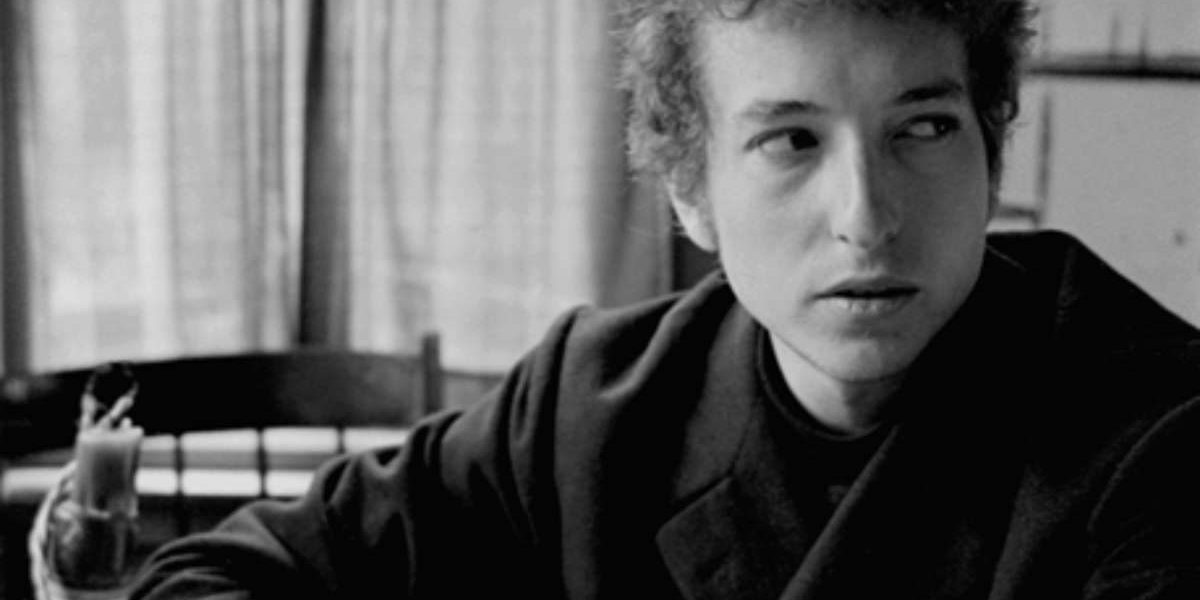
On a February episode of the Tonight Show, Jimmy Fallon emerged from behind his curtain dressed in a convincing Bob Dylan outfit and wig and provided just as convincing vocal impression of the legendary singer-songwriter. Fallon, known for playing games and conducting more surface-level interviews with celebrities, turned what had potential for a quick comedy sketch into a deeper rewriting of Dylan’s iconic song, The Times Are A-Changing.
Fallon uses Dylan’s familiar song to sing about issues currently facing the United States, including the #MeToo and #TimesUp movements, national anthem protests, and attacks on journalism. Though Dylan’s original song did little to specify certain political and social movements like Fallon’s version, it was certainly the music of these moments back then, and Fallon’s use of Dylan’s likeness and song demonstrate their cultural significance in today’s society, over fifty years after Dylan its debut.
Dylan’s Lasting Legacy
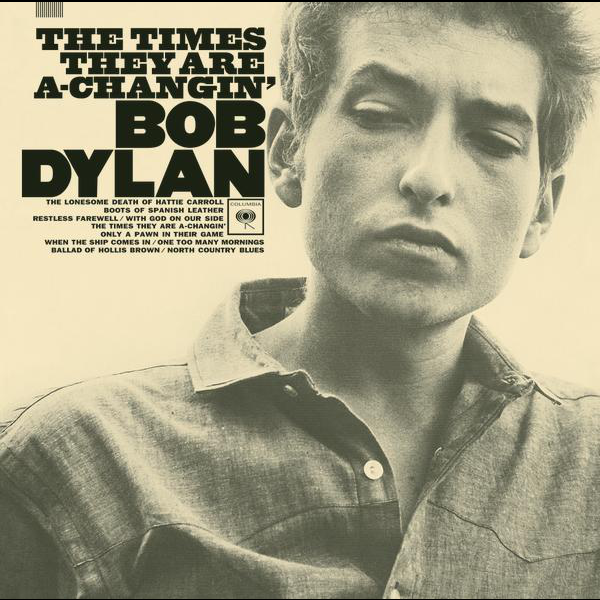
Bob Dylan is highly regarded as one of the most important and influential artists of all time. His signature nasally voice, acoustic guitar, and frequent use of a harmonica have become musical icons, making Dylan an instantly recognizable musical star, though it is Dylan’s powerful lyrics that are a large reason he is considered one of the most influential songwriters of all time, ranking number 2 on Rolling Stone’s “100 Greatest Artists of All-Time” (second only to the Beatles).
Dylan has written and released numerous classic songs, including “Like a Rolling Stone” and “A Hard Rain’s A-Gonna Fall.” However, many of Dylan’s songs attained much more commercial success than Dylan’s original release, including versions of “All Along the Watchtower” by Jimi Hendrix, “Knockin’ on Heaven’s Door” by Guns N’ Roses, and “Make You Feel My Love” by Adele. These few examples are just a small portion of what made Bob Dylan the second-most covered artist or group of all time, again second to the Beatles, which speaks a great deal to his songwriting prowess.
Dylan’s voice is far from what is considered traditionally “good” for a singer, being described by Vanity Fair digital director Mike Hogan as “on a good day, [sounding] like a chain-smoking bluesman celebrating his 100th birthday. On a bad day, [sounding] like a bullfrog gargling broken glass,” (ironically, Woody Guthrie said of Dylan after hearing him perform “that boy’s got a voice. Maybe he won’t make it with his writing.”) Dylan never had Very little does Dylan stray away from the acoustic guitar and harmonica in his music, which opens up the possibilities for covers of his songs to explore many different styles and instrumentation. take the song from a more simple folk song to a more epic delivery as, or a seemingly more. This reaction may simply be Dylan’s voice.
Though Dylan released thirty-eight studio albums and ninety-one singles, few have reached the cultural and political depth achieved by “The Times They Are A-Changing,” released on his 1964 album of the same name. “The Times They Are A-Changing” became the voice of a movement, and Dylan spoke of the purpose of the song and his inspiration behind it, stating “I wanted to write a big song, with short concise verses that piled up on each other in a hypnotic way. The civil rights movement and the folk music movement were pretty close for a while and allied together at that time.” Over fifty years after its original release, it is providing a different meaning to those who hear it today.
New Era, Same Song
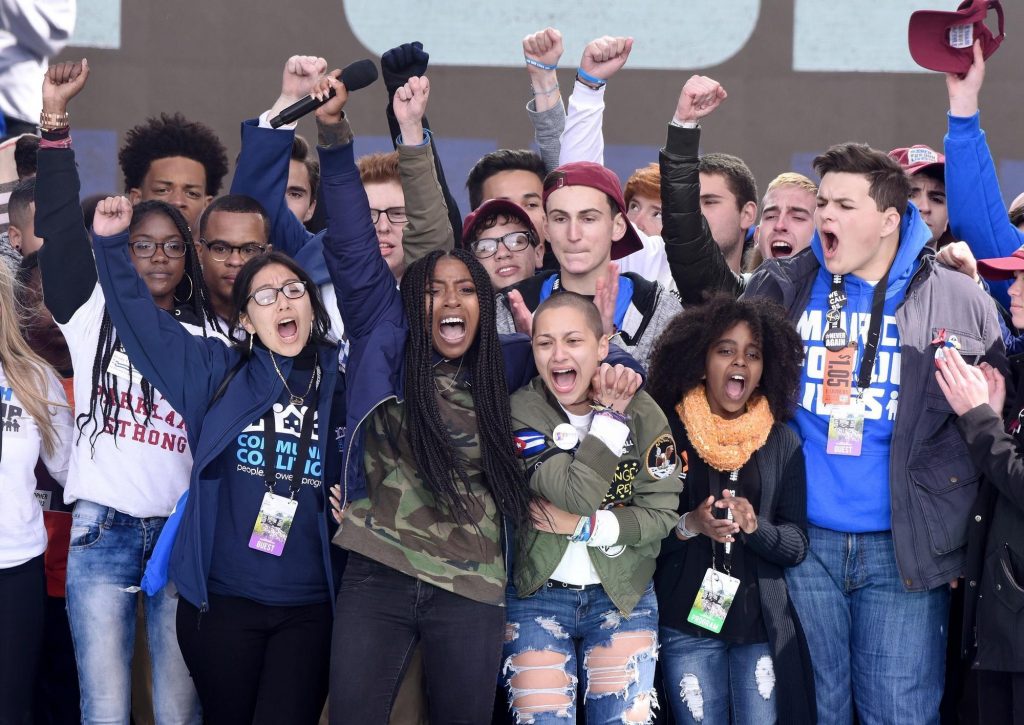
On February 14, 2018, seventeen students and faculty of Marjory Stoneman Douglas High School lost their lives after a gunman opened fire on the school. The event was devastating to the town of Parkland, Florida and received an outpouring of support from people around the entire United States of America. The event sparked a renewed outcry for gun safety, especially in schools. Survivors of the Parkland attack spearheaded the movement, organizing events such as a nationwide walkout of school, which thousands of high schools around the country participated in. These students also organized the event March for Our Lives, hosted in Washington D.C. thirty-eight days after the attack, on March 24, 2018. The event was organized completely by the students, and no one who was not a student was permitted to give a speech at the event, while A-List performers such as Miley Cyrus, Demi Lovato, and Lin-Manuel Miranda sung powerful and meaningful songs to the crowd. Hundreds of thousands of protesters gathered in D.C. to form the largest protest since the time of the Vietnam War. Millions of Americans across the country joined those marching in D.C. in their home cities as well.
Emma Gonzalez, one of the most outspoken leaders of the movement, made the final speech of the event, concluding her remarks by stating “fight for your lives before it’s someone else’s job.” At the conclusion of Emma’s speech, two-time Grammy winner and Academy Award Winner Jennifer Hudson took the stage with the D.C. choir to perform an iconic protest song.
Hudson’s incredibly powerful performance encapsulated the movement, as she sung surrounded by a mass of people ready and excited to change. After singing, Hudson was joined on stage by the student organizers, as she continued to riff the lyrics of change, along with the crowd’s chants of “we want change.” Hudson also made a subtle change to the lyrics, saying “please heed their call” instead of “please heed the call,” ensuring the focus remained on the work that the students were doing. The main stage for the march was perfectly situated in front of the United States Capitol Building, making the lyrics calling out senators and congressmen that much more powerful.
Few artists have achieved or ever will achieve the cultural impact made by Bob Dylan. In October of 2016, Dylan became the first songwriter to be awarded a Nobel Prize in literature for his songwriting contributions. Though the decision was met with mixed enthusiasm, including a disappointed op-ed published in the New York Times, the continued use and covers of his songs prove his lasting cultural importance, and fifty years from now, The Times Are A-Chanin’ will likely lead a new generation in a movement for cultural change.

(Fallon’s Times Are A Changin’ video wasn’t the first time he used his Bob Dylan impression on his show. For additional viewing enjoyment, see the below video)
